India is the diabetes capital of the world, with over 77 million people living with Type 2 diabetes. Yet the majority of Type 2 diabetes cases are preventable through lifestyle changes. Understanding the risk factors and taking early action can protect your health for decades.
Understanding Type 2 Diabetes
In Type 2 diabetes, the body either does not produce enough insulin or does not use it effectively — a condition called insulin resistance. Blood glucose levels rise, and over time, this damages nerves, blood vessels, kidneys, and eyes. Unlike Type 1 diabetes (which is autoimmune), Type 2 is strongly influenced by diet, physical activity, and body weight.
Are You at Risk?
Common risk factors include:
- Family history of diabetes
- Overweight or obesity (especially belly fat)
- Physical inactivity
- Age over 45
- High blood pressure or high cholesterol
- Gestational diabetes during pregnancy
- Polycystic ovary syndrome (PCOS)
- Pre-diabetes (fasting blood sugar 100–125 mg/dL)
Early detection: A simple fasting blood glucose test can identify pre-diabetes — a window of opportunity to reverse the trend before full diabetes develops.
Dietary Changes That Make a Difference
Choose Complex Carbohydrates
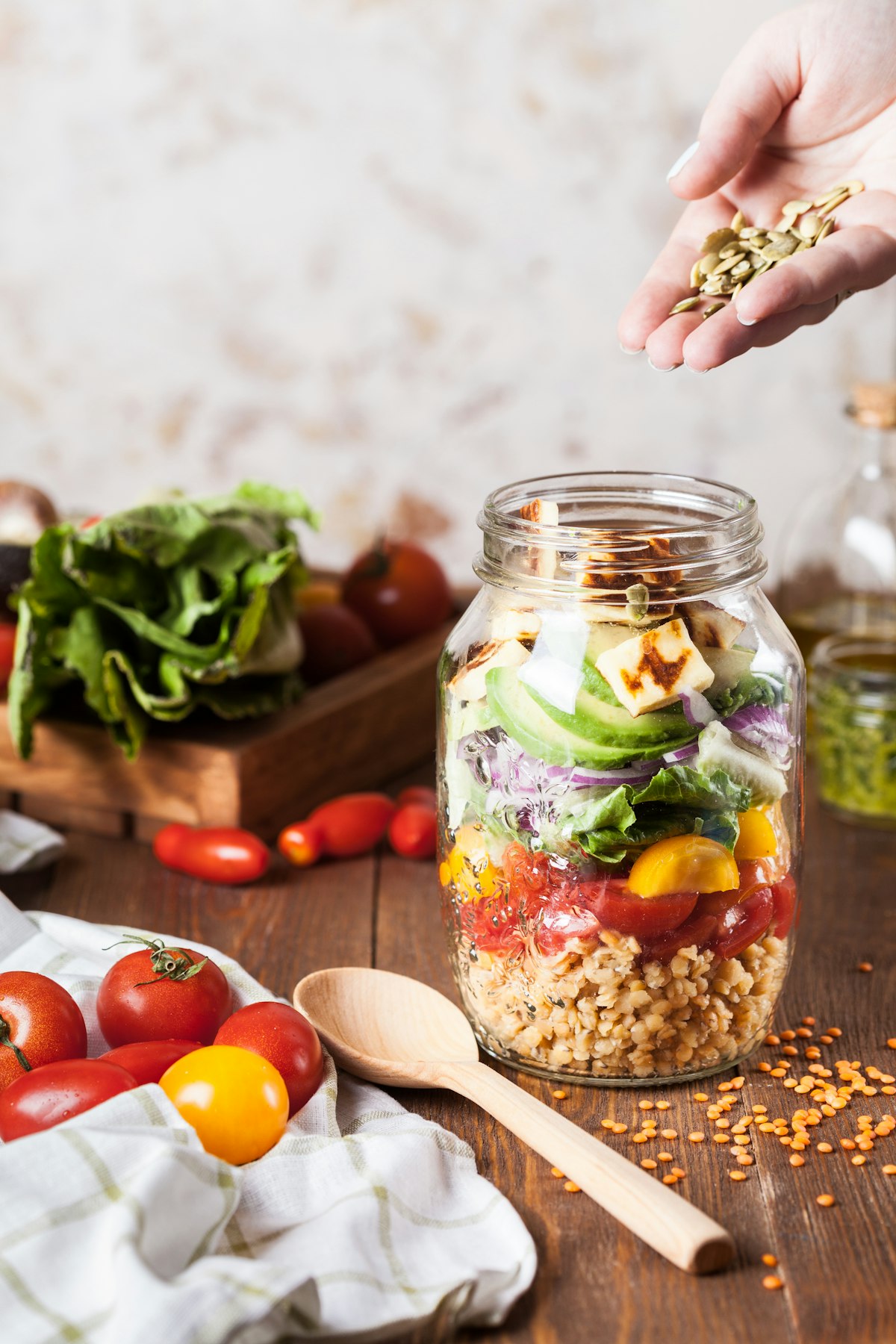
Not all carbohydrates are equal. Simple carbs (white rice, maida, sugar) spike blood glucose rapidly. Complex carbs digest slowly and provide sustained energy:
- Replace white rice with brown rice, millets (bajra, jowar, ragi), or quinoa
- Choose whole wheat rotis over maida-based bread and biscuits
- Eat oats for breakfast instead of sugary cereals
- Include legumes — rajma, chana, moong dal — with every meal
Load Up on Fibre
Dietary fibre slows sugar absorption and improves insulin sensitivity. Sources include vegetables (especially leafy greens), fruits with skin, whole grains, and pulses. Aim for at least 25–30 grams of fibre per day.
Reduce Sugar and Sweetened Beverages
Sugary drinks — cold drinks, fruit juices, packaged shakes — are among the biggest contributors to diabetes risk. Replace with water, chaas (buttermilk), nimbu pani without sugar, or herbal teas.
Eat Healthy Fats
Not all fats are bad. Healthy fats from nuts, seeds, avocado, and cold-pressed oils (mustard, coconut) do not spike blood sugar and support heart health. Avoid trans fats found in vanaspati, margarine, and fried packaged foods.
Watch Portion Sizes
Even healthy foods can cause blood sugar issues when eaten in excess. Use a smaller plate, eat slowly, and stop when 80% full. Eating 3 moderate meals with small healthy snacks works better than 2 large meals for blood sugar control.
Physical Activity: A Powerful Medicine
Regular exercise increases insulin sensitivity — meaning your body needs less insulin to manage blood sugar. Recommendations:
- 150 minutes of moderate aerobic activity per week (brisk walking, cycling, swimming)
- Strength training 2–3 times per week — builds muscle, which acts as a glucose sink
- Post-meal walks — even a 10-minute walk after meals significantly lowers post-meal blood glucose
- Reduce sitting time — take standing breaks every 30–60 minutes
Weight Management
Losing just 5–10% of body weight can dramatically improve insulin sensitivity and reduce diabetes risk. Focus on sustainable changes rather than crash diets. A combination of dietary changes and regular physical activity is the most effective long-term strategy.
Stress and Sleep
Chronic stress and poor sleep both raise cortisol levels, which increases blood glucose. Incorporate stress management (meditation, yoga, social connection) and prioritise 7–8 hours of sleep every night.
Already diabetic? These same lifestyle changes dramatically improve blood glucose control and reduce medication needs. Always consult your doctor before making significant changes to your treatment plan.
Get Screened Regularly
If you have any risk factors, get a fasting blood glucose and HbA1c test every year. At Shree Chamunda Piles Clinic, Dr. Rohit Panchal provides comprehensive diabetes screening and personalised lifestyle guidance. Early intervention is far more effective — and less costly — than treating complications later.
Have a health question?
Book a consultation with Dr. Rohit Panchal at Shree Chamunda Piles Clinic, Chandlodiya, Ahmedabad.